
If you are searching for how to fix a lock that sticks quickly, chances are your door is already giving warning signs. The key hesitates, the door does not open smoothly, or locking a door takes more force than it should. These small issues often lead to bigger problems, including a jammed key in lock or getting locked in door situations.
At DFW Affordable Locksmith LLC, we see sticky lock problems daily. What starts as a minor inconvenience at the front door can quickly turn into a full lock failure if handled incorrectly.
What Causes a Lock to Stick or Jam?
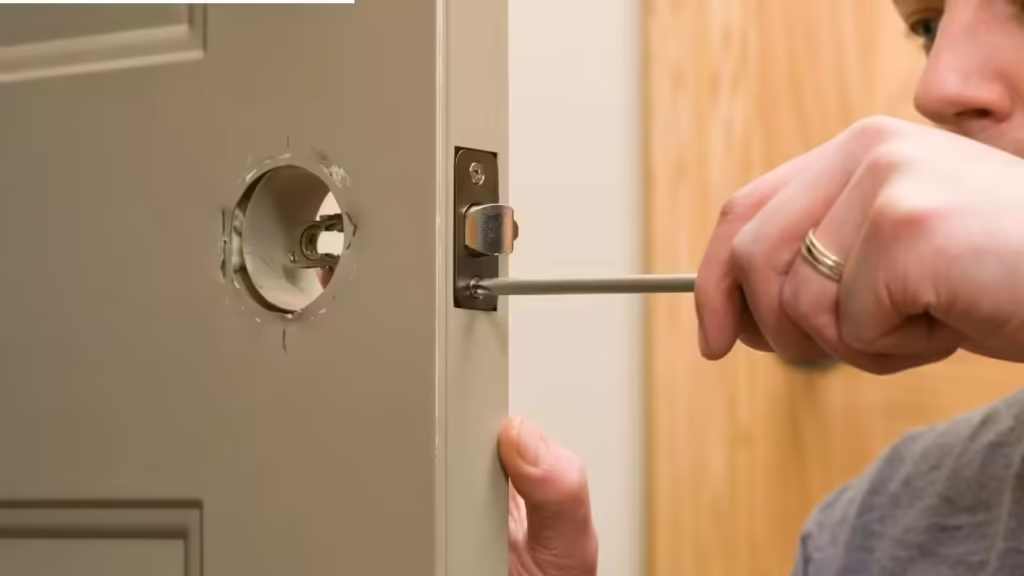
A sticky lock is usually caused by friction inside the lock cylinder or door latch. Dirt, worn components, and lack of proper lubrication all contribute. Many locks fail because oil-based sprays attract grime, leading to attracting dirt that hardens inside the mechanism.
Environmental factors also matter. Temperature changes cause doors to swell or shift, affecting how the door latch aligns. Garage and exterior doors are especially prone to this, which is why many homeowners attempt to lubricate garage locks without realizing the internal damage already present.
Common DIY Methods Homeowners Try
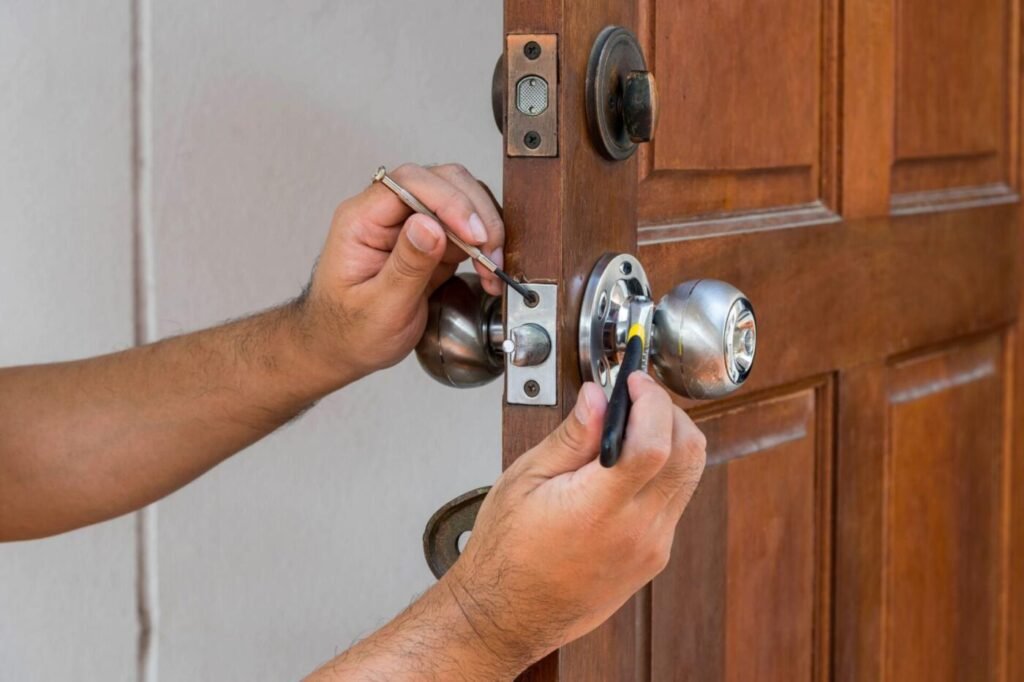
Most people try quick fixes first. These include spraying lock lubricant spray, wiggling the key in door, or even using a credit card or bobby pin to unlock a door. Some attempt graphite powder or graphite lock lubricant because it is marketed as a dry lubricant.
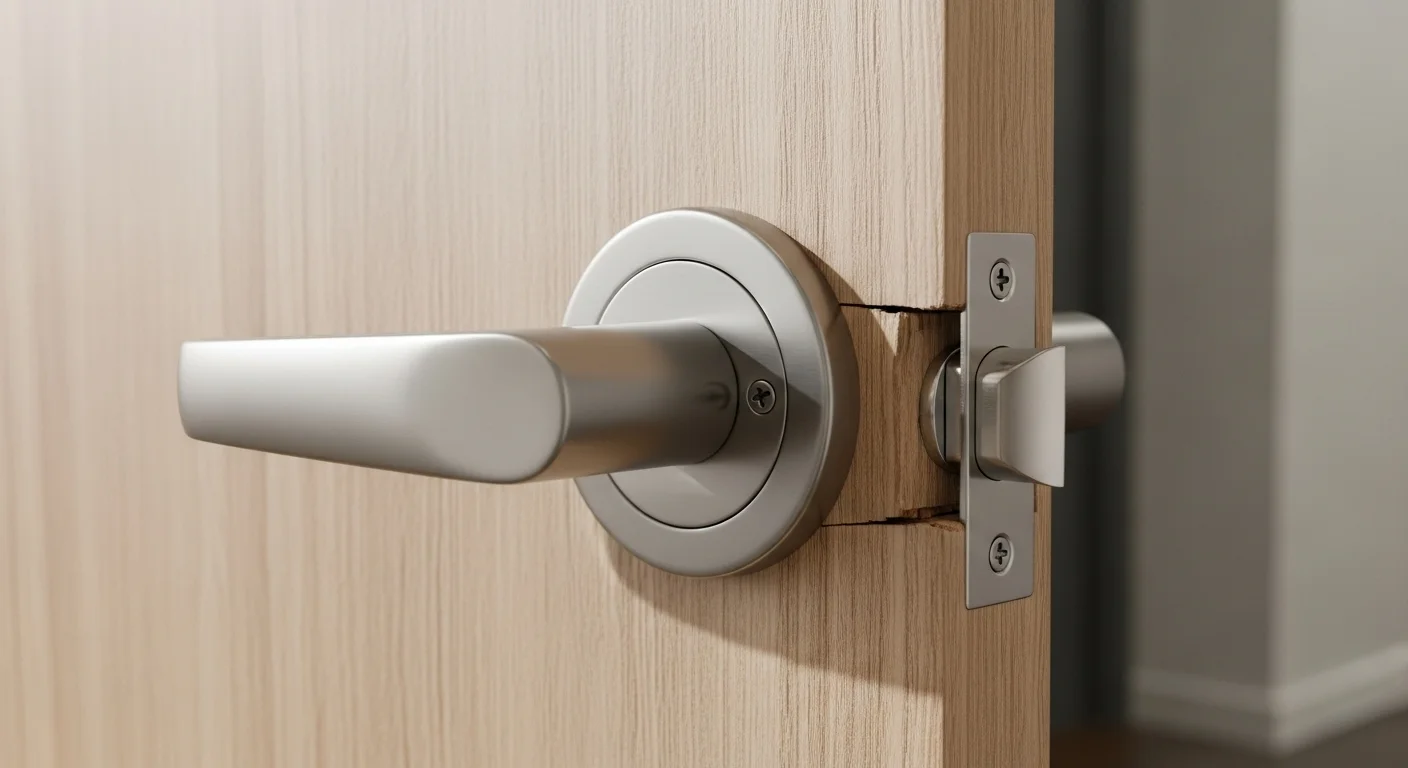
Others try adjusting the latch, filing a knotched out latch for top lock, or forcing a large plastic key wont turn in door problem to move. These methods can appear effective temporarily, especially when the door opens once or twice afterward.
Basic maintenance steps explained in lock cleaning tips can help, but only when the lock is still mechanically sound.
Why DIY Fixes Often Fail
DIY solutions fail because they treat symptoms, not causes. When internal pins wear or springs weaken, no amount of graphite lubricant or dry lube will restore proper function. In fact, excessive use of graphite lubricant spray can create dry film buildup that restricts movement.
Using household products or tools risks bending internal parts. A sticky lock that seems minor can quickly become a jammed key in lock that requires drilling or replacement.
Engineering studies from MIT Engineering explain how small mechanical tolerances are easily compromised by improper force and contamination.
The Hidden Risks of Chemical Lubricants
Many homeowners reach for fast drying sprays without understanding the risks. Oil-based products stay wet, attract dust, and worsen internal wear. Even some dry lubricant products break down over time.
The U.S. EPA warns that aerosol sprays used indoors can negatively affect air quality, especially in enclosed entryways.
Professional-grade options like slip plate or true dry film products must be applied correctly. Improper use leads to residue buildup rather than smooth operation.
Signs You Need Professional Lock Service
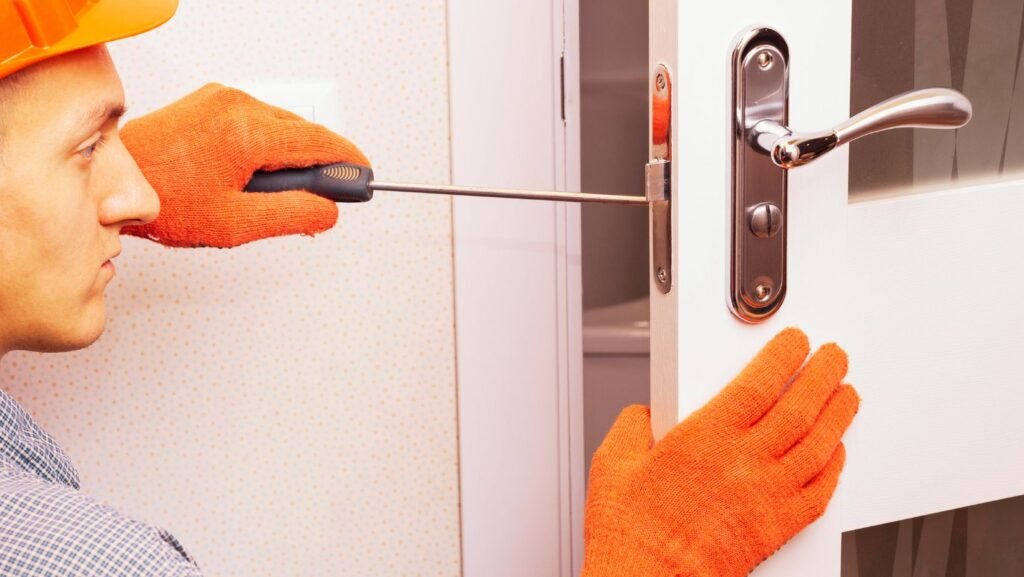
If your key door interaction feels inconsistent, the lock resists turning, or the door locks only after repeated attempts, professional help is needed. Smart locks showing delayed response or manual override failure also signal internal issues.
Recurring problems often lead to emergency situations covered in locksmith emergencies.
Why Homeowners Trust DFW Affordable Locksmith LLC
DFW Affordable Locksmith LLC focuses on precision repair instead of guesswork. We identify whether the issue is alignment, wear, or internal damage and correct it without unnecessary replacement.
Our team handles residential issues through residential locksmith solutions and urgent access problems via emergency locksmith services.
Our methods align with professional standards promoted by the ALOA.
Frequently Asked Questions
How do I fix a lock that sticks quickly?
Learning how to fix a lock that sticks quickly starts with identifying friction inside the lock. Light use of graphite powder or a true dry lubricant may help briefly, but recurring sticking usually means internal wear that needs professional repair.
Can graphite powder fix a sticky lock?
Graphite powder can reduce friction temporarily because it is a dry lubricant. However, overuse often causes buildup inside the lock, preventing smooth movement and eventually worsening sticky lock symptoms.
Why does my door have a big plastic key that won’t turn?
A door has a big plastic key that wont turn when the internal cylinder is worn or misaligned. Large plastic keys flex easily, masking internal failure until the lock stops working completely.
Is lock lubricant spray safe to use?
Most lock lubricant spray products are oil-based and attract dirt. Over time, this contamination causes jamming. Only quick dry, dry film products applied correctly should be used sparingly.
What causes a jammed key in lock?
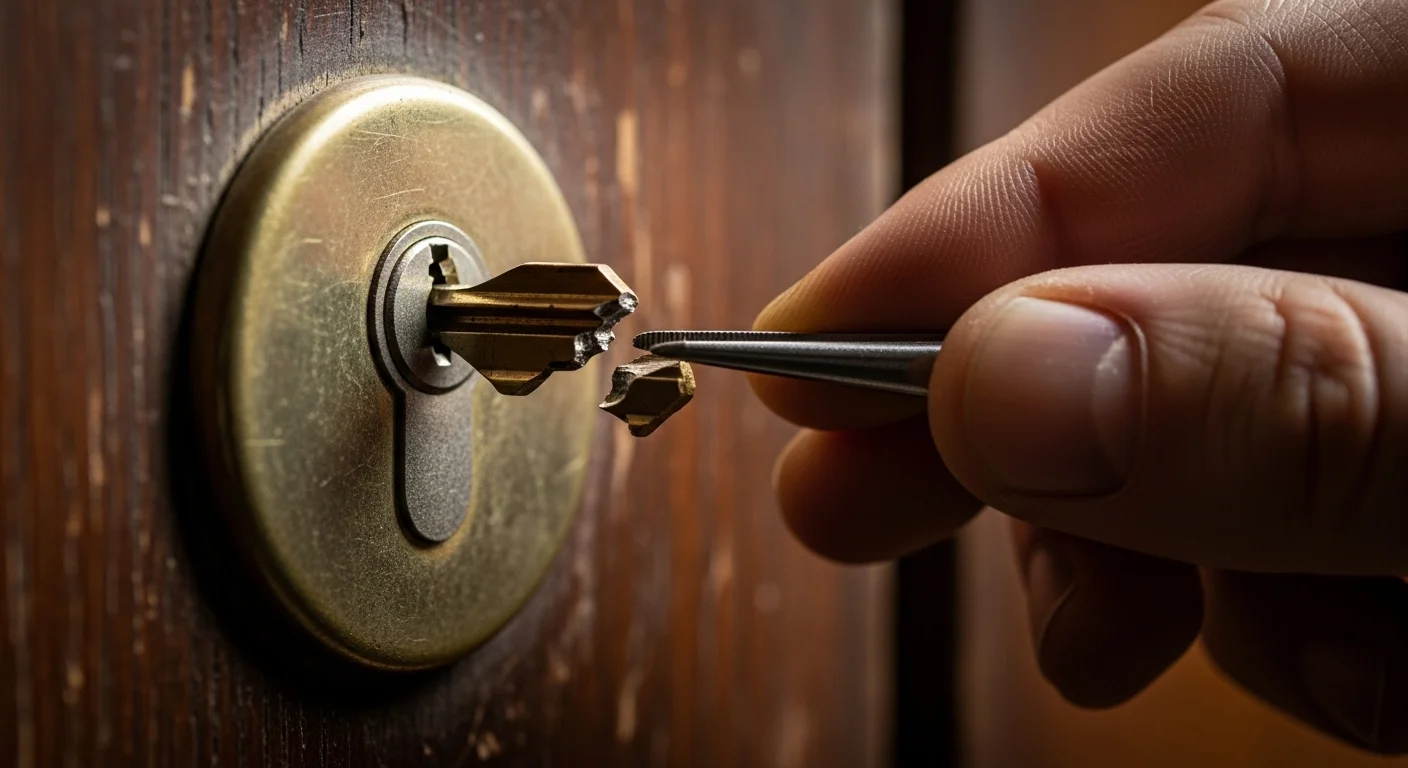
A jammed key in lock usually results from internal pin damage or debris buildup. Forcing the key can break it inside the cylinder, requiring professional extraction and repair.
When should I call a professional locksmith?
You should call a professional locksmith when the lock sticks repeatedly, the door will not unlock smoothly, or locking a door requires excessive force. Early service prevents lockouts and costly replacements.
Schedule Professional Help Before the Lock Fails
Knowing how to fix a lock that sticks quickly helps prevent emergencies, but DIY fixes have limits. When a lock shows repeated resistance, professional service is the safest path.
If your door does not open smoothly, the key hesitates, or the lock feels unreliable, contact DFW Affordable Locksmith LLC to schedule an inspection and restore safe, dependable access before a lockout occurs.
Conclusion
Understanding how to fix a lock that sticks quickly can help you avoid sudden lockouts, broken keys, and unnecessary stress. While light maintenance and proper dry lubricant use may offer short-term relief, recurring sticking is a clear sign that something inside the lock is wearing out or misaligned. Locks are precision devices. When friction, dirt buildup, or internal damage goes unaddressed, the problem almost always gets worse. What starts as a sticky lock can quickly turn into a jammed key, a door that won’t open, or a situation where locking a door is no longer reliable.